


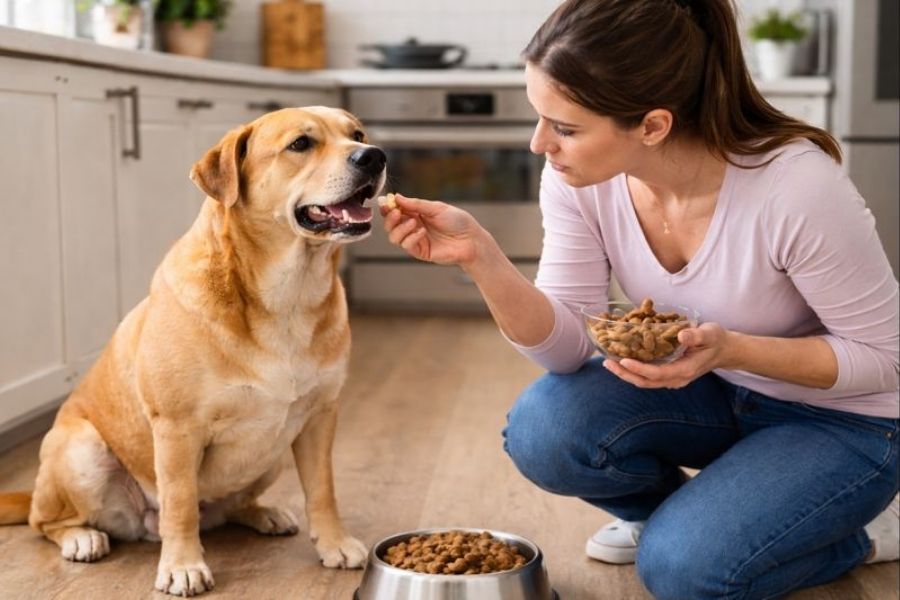
It is not uncommon to worry when our dogs suddenly stop eating their regular meals. If you are wondering, why is my dog not eating his food but will eat treats. This behavior can be concerning, especially if your dog has always been enthusiastic about mealtime. There are several possible explanations for this change and most of them can be addressed with investigation and care.
We will explore the common causes behind this behavior and provide actionable solutions to help your dog get back to eating his regular food. Understanding why your dog is refusing their meals while still accepting treats is important, not only to ensure your dog’s health but also to prevent any potential behavioral problems from developing.
why is my dog not eating his food but will eat treats? Possible Causes
It is important to understand the root cause before taking action. Let’s dive into some of the most common causes for this behavior:
Health Issues or Illness
One of the primary reasons why dogs might refuse their food but continue eating treats is due to underlying health problems. Dogs are known to hide discomfort, so it is often difficult to tell if they are not feeling well.
Dental Problems
If your dog is experiencing oral pain, such as tooth decay, gum disease or an abscess, it can make chewing dry food uncomfortable. While treats are often softer or more palatable, they may not require as much effort to eat, making them more appealing.
Digestive issues
Conditions such as nausea, bloating or an upset stomach can cause your dog to lose interest in their regular food. However, because treats are often more enticing or have a stronger smell, your dog may still find them easier to consume.
Infections or illness
Dogs with infections, fever or other medical conditions may lose their appetite for their usual meals. However, they may still eat treats due to their stronger aroma or texture.
If your dog’s behavior persists, it is important to consult with your veterinarian to rule out any health issues.
Behavioral Reasons
Dogs are creatures of habit, and changes in their routine, environment or food can trigger picky eating habits. If your dog is refusing their regular food but will eat treats, it could be due to:
Boredom or Dissatisfaction
Dogs can get bored with their food, especially if they are eating the same thing every day. The novelty of treats can be more enticing because they often have different flavors and textures.
Spoiling behavior
Some dogs may start to refuse their regular meals in favor of treats if they have been conditioned to receive treats frequently. If you have been giving your dog extra treats or scraps from the table, they might begin to associate regular meals with less excitement and prefer the immediate gratification of treats.
Stress or anxiety
Changes in your dog’s environment, such as moving to a new home or the presence of other pets, can cause stress. Dogs experiencing anxiety might refuse their food while still accepting treats because treats are more easily consumed or provide comfort.
The Quality of Food
The food you are offering could also play a role in why your dog is not eating his food but will eat treats. Here are a few considerations:
The food might be stale or unappealing
Dogs have a strong sense of smell, and if their food has lost its freshness, they may refuse to eat it. It is important to store dog food properly and check for expiration dates.
Different preferences
Just like humans, dogs can develop preferences for certain flavors, textures or types of food. If you have recently switched your dog’s food or introduced a new brand, they may not like the change, especially if the new food does not appeal to their taste.
Solutions to Encourage Your Dog to Eat Regularly
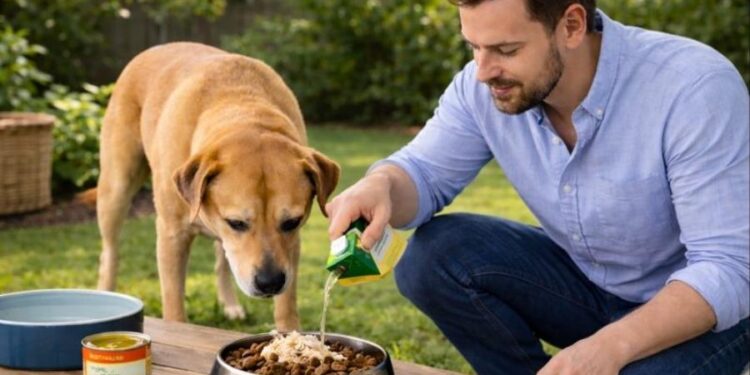
If your dog is not eating their food but still enjoying treats, there are a few solutions you can try to encourage them to eat their regular meals again:
Make Meals More Appealing
You can make your dog’s regular food more exciting, try mixing in some low sodium broth, canned pumpkin or even a small amount of cooked chicken to encourage your dog to eat their meals. If your dog is avoiding dry kibble, consider switching to wet food or a combination of both.
Stick to a Routine
If your dog is being spoiled with treats, it may be time to return to a consistent feeding schedule. Offer food at the same time each day and do not give in treats before mealtime because their regular meals are the primary source of nutrition.
Monitor Their Health
If you suspect that your dog’s refusal to eat is related to health issues, it is crucial to visit the vet. Dental problems, digestive issues or other illnesses should be addressed as soon as possible.
Limit Treats and Table Scraps
One of the best ways to break the habit of refusing regular meals is to limit access to treats and table scraps. Make sure your dog only receives treats after finishing their meals or as part of structured training sessions.
Add Variety
If your dog is bored with their food, you can change the flavor or type of food to keep your dog interested. Make sure to introduce new foods gradually to avoid upsetting their stomach.
Conclusion
If you have been wondering why is my dog not eating his food but will eat treats, there could be several possible reasons, ranging from health issues and behavioral concerns to simple food preferences.
The key is to pay attention to your dog’s behavior, make adjustments to their routine and consult with your veterinarian if necessary. With a little patience and some trial and error, you can help your dog get back to enjoying their regular meals while still indulging in an occasional treat.
Frequently Asked Questions (FAQs)
Why is my dog not eating his food but will eat treats?
This could be due to health problems, such as dental pain or digestive issues, boredom with their food or behavioral factors like being spoiled with treats.
Should I be worried if my dog stops eating his food but will eat treats?
It could indicate an underlying health issue or it may be a behavioral habit. If the problem persists, it is best to consult with your vet to rule out any medical conditions.
How can I make my dog eat his regular food?
Try adding a bit of moisture, such as low sodium broth or canned food, to make meals more appealing. Also, stick to a feeding schedule and avoid giving excessive treats.
Can my dog’s refusal to eat be related to stress?
Yes, stress or changes in their environment can affect their appetite. Make sure your dog’s routine is stable and provide a calm environment to help reduce anxiety.
Is it normal for dogs to become picky eaters?
Yes, some dogs may develop preferences or become picky eaters, especially if they are given a variety of treats or foods. It’s important to maintain consistency and avoid overfeeding treats.
When should I take my dog to the Doctor if they are not eating?
If your dog’s refusal to eat persists for more than 24-48 hours or if you notice signs of illness like vomiting, lethargy or weight loss, it is time to consult your vet.


