


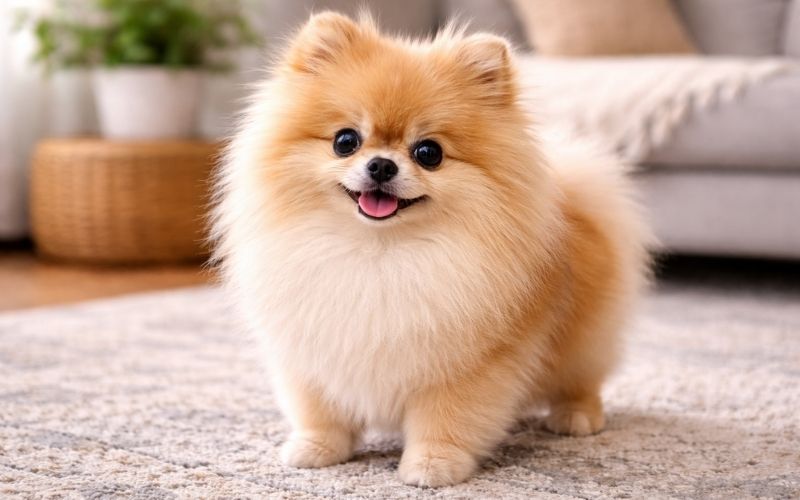
A teacup pomeranian is admired for its tiny size, fluffy coat and expressive personality, making it highly appealing to people seeking a small companion dog. Despite its delicate appearance, this dog often displays confidence and alertness. Understanding behavior, care needs and realistic expectations helps ensure responsible ownership and long term satisfaction.
Although often marketed as a separate type, the teacup pomeranian is simply a smaller sized Pomeranian rather than a distinct breed. Size reduction affects lifestyle, handling and care routines. Learning how these factors influence daily life is essential before deciding whether this dog fits your home environment.
What Is a Teacup Pomeranian?
A pomeranian teacup refers to a Pomeranian bred smaller than the breed standard. The term is widely used in advertising rather than formal classification. These dogs retain the intelligence, alertness and personality traits of standard Pomeranians but in a more compact physical form.
Because size is the defining feature, owners must adapt daily routines accordingly. Handling, supervision and environment setup play a larger role than with standard sized dogs. Understanding these differences helps prevent unrealistic expectations and supports long term comfort for the dog.
Physical Appearance and Body Structure
The teacup pomeranian has a compact frame, fox like face and thick double coat that creates a plush appearance. Their bright eyes and upright ears add to their expressive look. Despite their small stature, they often carry themselves with confidence and alertness.
Coat colors vary widely, including cream, white, red, black and mixed shades. Their fluffy appearance requires consistent grooming and their delicate size means owners should be mindful of rough handling or accidental falls in daily environments.
How Big Is a Fully Grown Teacup Pomeranian?
Many potential owners ask how big a fully grown teacup pomeranian becomes because size plays a major role in daily care and handling. These dogs remain noticeably smaller than standard Pomeranians and are often light enough to be carried comfortably. However, their small size does not reduce their need for structure, engagement and consistent routines.
Understanding adult size helps owners prepare appropriate living spaces, accessories and expectations. Smaller stature also means owners must be mindful of safety around furniture, stairs and active environments. The table below provides a general overview of typical size characteristics seen in fully grown teacup pomeranians.
Teacup Pomeranian Size Overview
| Feature | Typical Range |
| Adult Height | 6 to 9 inches |
| Adult Weight | 3 to 5 pounds |
| Body Build | Compact and delicate |
| Growth Completion | Around 12 months |
| Coat Type | Thick double coat |
While these measurements offer general guidance, individual size can vary depending on genetics and development. Their small frame makes supervision especially important, particularly in busy households. Thoughtful handling and awareness of surroundings help ensure comfort and safety throughout daily life.
Temperament and Personality Traits
Despite their tiny size, teacup pomeranians often have bold and expressive personalities. They are alert, curious and enjoy being involved in household activities. Many form strong emotional bonds with their owners and prefer close companionship rather than independence.
Their confidence can sometimes be mistaken for stubbornness. With consistent routines and gentle guidance, they usually show affectionate and playful behavior. Personality development is strongly influenced by interaction, environment and early social exposure.
Daily Activity and Mental Stimulation
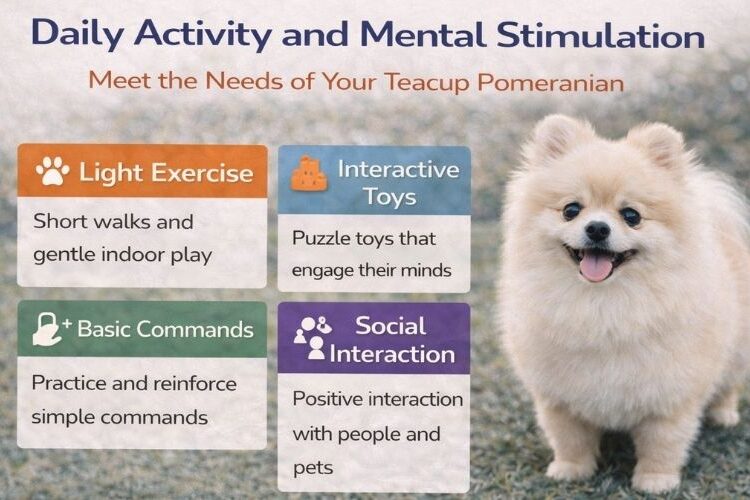
Teacup pomeranians do not require intense physical exercise, but they still benefit from regular daily activity. Short walks, indoor play and light movement help release energy without overwhelming their small frame. Overexertion is unnecessary and should be avoided.
Mental stimulation is equally important. Interactive toys, simple commands and social interaction help prevent boredom. A balanced routine that includes mental engagement supports calm behavior and emotional well being throughout the day.
Living Environment and Lifestyle Fit
The teacup pomeranian adapts well to apartment living due to its size, but emotional needs matter more than space. These dogs thrive in environments where they receive attention and are not left alone for long periods.
Quiet households with predictable routines often work best. Loud or chaotic environments can cause stress. When included in daily life and given consistent interaction, teacup pomeranians usually adjust well and feel secure.
Grooming and Daily Maintenance
Despite their small size, teacup pomeranians require consistent grooming to stay comfortable and well maintained. Their thick double coat can tangle easily without regular brushing, making grooming an important part of daily or weekly routines. These sessions also help owners check coat condition and overall cleanliness.
Grooming is not only about appearance but also about familiarity and bonding. Regular handling during brushing helps teacup pomeranians feel secure and accustomed to touch, which supports calm behavior. Understanding basic daily maintenance needs allows owners to create routines that feel natural rather than demanding.
Teacup Pomeranian Care Overview
| Care Area | What to Expect |
| Grooming | Frequent brushing |
| Activity | Light daily play |
| Training | Gentle, consistent |
| Social Needs | Strong owner connection |
| Living Style | Indoor focused |
Consistent care routines support both physical comfort and emotional confidence. When grooming and daily maintenance are predictable and calm, teacup pomeranians often respond positively, showing relaxed behavior and stronger trust toward their owners over time.
Color Variations and Popular Descriptions
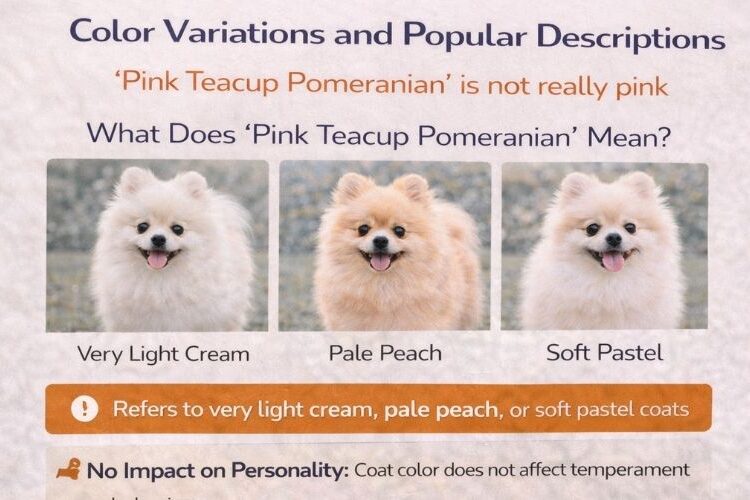
Some owners search for specific color terms such as pink teacup pomeranian, which can create confusion. This phrase usually refers to very light cream, pale peach or soft pastel toned coats rather than an actual pink color. Coat appearance can change based on lighting, grooming style and even seasonal shedding.
It is important to understand that color variations are purely cosmetic. Coat color does not influence temperament, intelligence or behavior in any way. Choosing a teacup pomeranian based on lifestyle compatibility, care readiness and personality fit is far more important than following appearance based trends or rare color descriptions.
Husky Teacup Pomeranian Clarified
The term husky teacup pomeranian is commonly seen online, but it is often misleading. Due to extreme size differences, a true mix between a husky and a teacup pomeranian is not realistic or practical. Most references use this phrase to describe pomeranians with facial markings or coat colors that resemble huskies.
These descriptions are usually visual comparisons rather than accurate breed information. Understanding this distinction helps prevent unrealistic expectations and disappointment. Prospective owners should focus on confirmed traits of the teacup pomeranian rather than assumptions based on marketing language or appearance based labels.
Teacup Pomeranian for Sale and Responsible Ownership
Searches for teacup pomeranian for sale are often driven by appearance and size appeal rather than preparation. However, responsible ownership requires much more than interest in a dog’s look. These dogs need consistent routines, careful handling and a safe indoor environment tailored to their small size.
Potential owners should consider time availability, supervision needs and emotional commitment before making a decision. A prepared home environment, combined with realistic expectations, helps ensure that both the dog and owner experience long term comfort, stability and satisfaction rather than stress or regret.
Long Term Commitment and Expectations
Owning a teacup pomeranian is a long term responsibility that extends well beyond the puppy stage. Their small size means they rely heavily on their owners for safety, daily structure and companionship. Routine and consistency play a significant role in how well they adapt emotionally and behaviorally.
People who enjoy close interaction and attentive care often find these dogs deeply rewarding. In return for patience and involvement, teacup pomeranians typically offer strong loyalty, affectionate behavior and an engaging presence that becomes an integral part of daily life.
Conclusion
The teacup pomeranian is a small companion dog with a confident personality, expressive behavior and strong emotional connection to its owner. While their appearance often draws initial interest, successful ownership depends on understanding daily care routines, lifestyle compatibility and long term commitment. Size influences safety, supervision and interaction more than many first time owners expect.
By learning about growth expectations, costs, grooming needs and realistic lifestyle demands, potential owners can make informed decisions rather than emotional ones. With patience, structure and consistent care, a teacup pomeranian can grow into a loving, engaging and deeply rewarding companion that fits well into a thoughtful and prepared home.
Frequently Asked Questions (FAQs)
How much is a teacup pomeranian?
The cost of a teacup pomeranian varies based on size preference, availability and demand. Prices are often higher than standard Pomeranians. Prospective owners should consider long term care, grooming and lifestyle commitment rather than focusing only on purchase cost.
How expensive is a teacup Pomeranian?
Teacup Pomeranians are generally more expensive due to their size and popularity. Beyond the initial price, owners should plan for grooming, supplies and time investment, as these ongoing factors contribute significantly to overall ownership costs.
How big is a fully grown teacup Pomeranian?
A fully grown teacup Pomeranian typically stands between six and nine inches tall and weighs only a few pounds. Their small size makes them easy to carry but requires careful handling and consistent supervision for safety.
How much does a teacup pomeranian puppy cost?
The cost of a teacup pomeranian puppy can vary widely depending on availability and demand. Buyers should focus on preparedness, daily care responsibilities and long term commitment rather than price alone.
What are the pros and cons of owning a teacup pom?
Pros include portability, affectionate behavior and suitability for small spaces. Cons may include sensitivity, grooming needs and reliance on constant supervision. Understanding both sides helps determine if this dog fits your lifestyle.
Are teacup pomeranians easy to train?
Teacup pomeranians can learn well with gentle, consistent training. Short sessions using positive reinforcement help build confidence and cooperation. Patience and routine are key to developing good habits over time.


