


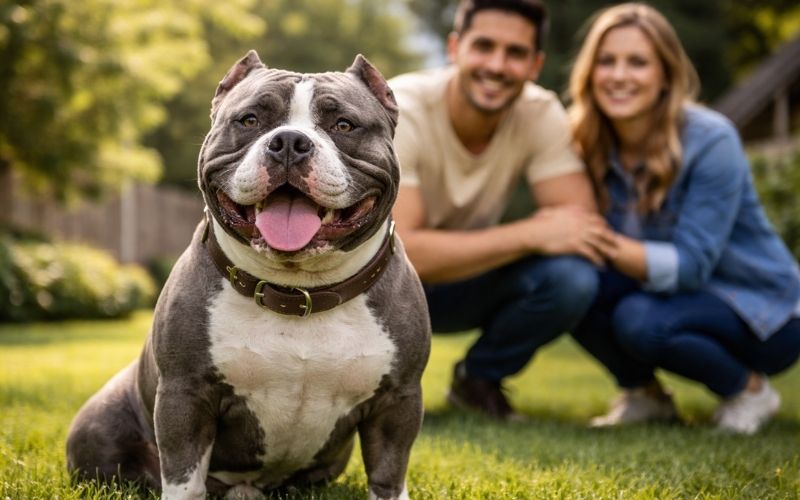
The American bully is a modern companion breed known for its muscular build, confident appearance and people oriented personality. Despite common misconceptions, this breed was developed with companionship in mind. Understanding care, behavior and family life helps owners build a positive and lasting relationship.
The bully dog has gained popularity among families, singles and experienced owners alike. Its adaptable nature allows it to fit into many lifestyles when raised with structure and attention. This guide explains what living with an American bully truly involves, from puppyhood to adulthood.
Understanding the American Bully Breed
The American bully was developed as a distinct breed with a focus on temperament, stability and physical presence. While its appearance is powerful, the breed is widely appreciated for its affectionate and social nature when properly raised.
This breed comes in several size varieties, including the well known American bully xl. Each size shares similar behavioral traits, making temperament more about upbringing than physical stature. Clear expectations help owners appreciate the breed’s balanced personality.
To better understand the American bully at a glance, the table below highlights key traits related to temperament, care and lifestyle suitability.
American Bully Breed Overview Table
| Feature | American Bully Details |
| Breed Purpose | Companion focused bully breed |
| General Temperament | Confident, affectionate, people oriented |
| Energy Level | Moderate |
| Living Environment | Suitable for houses and apartments |
| Grooming Needs | Low maintenance, short coat |
| Trainability | Responds well to consistent guidance |
| Bond With Family | Strong and loyal |
| Popular Variations | Pocket, Standard, Classic, XL |
American Bully Temperament and Behavior
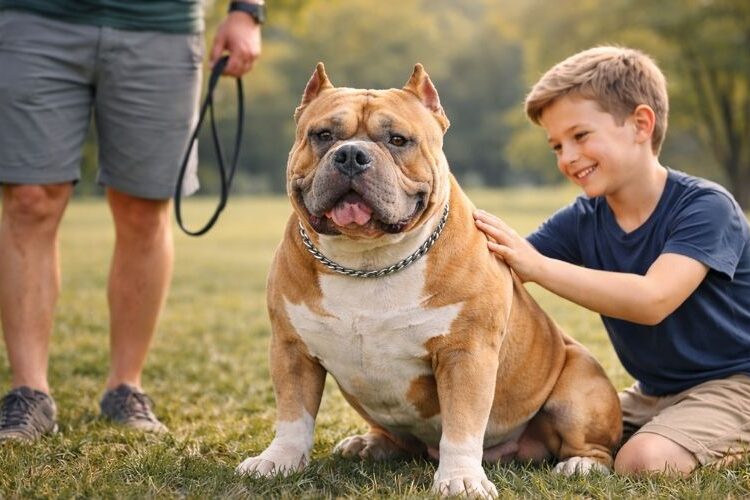
Temperament is one of the most discussed aspects of the American bully. These dogs are generally confident, alert and emotionally connected to their families. They often seek human interaction and enjoy being involved in daily routines.
Behavior is shaped through guidance and consistency. A well socialized American bully dog typically shows calm responses to new situations. When given boundaries and positive reinforcement, the breed often displays patience, loyalty and predictable behavior in everyday environments.
Are American Bullies Aggressive?
Aggression is not a defining trait of the American bully. Most individuals raised in stable environments display friendly and people focused behavior. Their strong appearance often leads to assumptions that do not reflect typical temperament.
Like any dog, behavior depends on training, social exposure and responsible ownership. When these elements are present, American bullies are generally known for confidence rather than reactivity, making them suitable for many households.
Family Life With an American Bully
The American bully is often described as a family oriented breed. These dogs form strong emotional bonds and enjoy spending time with household members. Their affectionate nature makes them well suited for families that value interaction and companionship.
Supervision and structure are important in family settings. When routines are consistent, American bullies often thrive in busy households. Their loyalty and attentiveness help them integrate smoothly into shared living environments.
American Bully Puppy Development
An American bully puppy is curious, energetic and eager to engage with people. Early life experiences play a major role in shaping confidence and social behavior. Exposure to everyday sights and sounds helps puppies adapt smoothly.
During puppyhood, routines create a sense of stability. Simple training exercises and regular interaction help puppies learn expectations. As they mature, many American bullies naturally become calmer while maintaining playful enthusiasm.
Training an American Bully
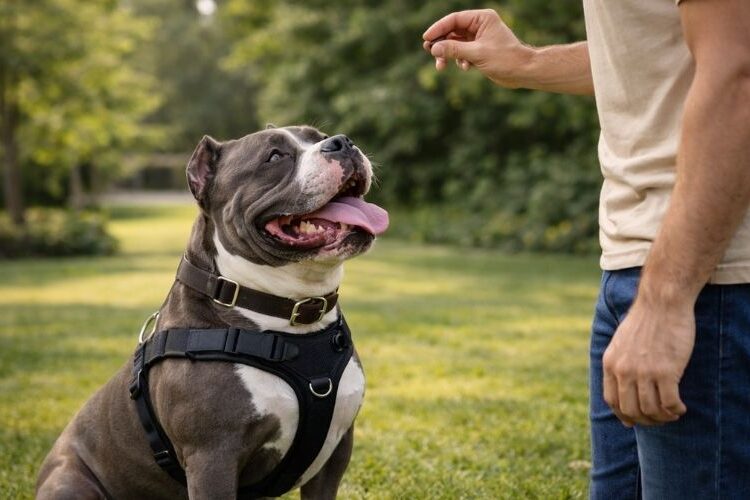
Training an American bully focuses on communication rather than control. These dogs respond well to calm, consistent guidance and benefit from positive reinforcement methods. Clear expectations help build trust and cooperation.
Because the breed is intelligent and people oriented, training often becomes an enjoyable bonding experience. Short, focused sessions encourage learning while maintaining engagement. Patience and repetition support long term success.
Exercise and Daily Activity Needs
American bullies enjoy moderate daily activity that matches their build and energy level. Short walks, interactive play and mental stimulation usually meet their needs without requiring intense physical exertion.
An xl American bully may appear powerful, but balanced activity is still the goal. Mental engagement is equally important, as boredom can affect behavior. A routine that combines movement and interaction supports emotional balance.
Care and Grooming Basics
The American bully has a short, low maintenance coat that requires minimal grooming. Regular brushing helps remove loose hair and keeps the coat comfortable. Basic care routines are usually sufficient for most individuals.
Daily attention matters more than complex grooming. Spending time with your dog strengthens trust and supports emotional well being. Simple routines help American bullies feel secure and connected to their owners.
Different Types of American Bullies
There are several recognized types of American bullies, including Standard, Classic, Pocket and XL. These variations differ mainly in size, height and overall build rather than temperament or behavior. Each type was developed to offer visual variety while maintaining a consistent companion focused personality.
An american bully xl is taller and heavier than other types, giving it a more powerful appearance, while smaller types are more compact and easier to manage in limited spaces. Despite these physical differences, personality traits remain largely similar across types when raised in comparable environments with consistent care and guidance.
American bullies come in several size variations. The table below explains the main differences while showing how temperament remains consistent across types.
American Bully Size Types Table
| Type | Size Description | General Characteristics |
| Short and compact | Muscular, confident, companion oriented | |
| Standard | Balanced height and build | Athletic, stable temperament |
| Classic | Leaner structure | Traditional bully look |
| XL American Bully | Taller and heavier | Powerful appearance, calm demeanor |
American Bully vs Pitbull
A common question is whether the bully is the same as a pitbull. While they share ancestry, they are not the same breed. The bully was selectively developed for companionship and structure.
The bully dog typically has a broader frame and a more relaxed demeanor. Understanding this distinction helps reduce confusion and sets realistic expectations for potential owners.
Responsible Ownership and Commitment
Owning an American bully is a long term responsibility that requires time and consistency. These dogs rely heavily on human interaction and do best in environments where they feel included.
People considering this breed should focus on lifestyle compatibility rather than appearance alone. A stable home, routine and attention contribute significantly to a well adjusted and content bully.
Conclusion
The American bully stands out as a confident, affectionate and adaptable companion when raised with care, structure and consistency. Beyond its strong appearance, this breed is known for forming deep bonds with its family and thriving in environments where attention, routine and positive interaction are part of daily life.
Understanding behavior, training needs and family dynamics plays a key role in building a balanced relationship. From early puppy development to adult care, informed ownership helps ensure positive outcomes for both the dog and its household.
When provided with clear guidance, regular engagement and a stable home environment, the bully dog often grows into a loyal, well mannered and rewarding family member who offers companionship, confidence and lasting connection.
Frequently Asked Questions (FAQs)
What is the temperament of an American Bully?
The American bully is typically confident, social and people focused. Most individuals display calm behavior and strong attachment to their families when raised with consistency, positive interaction and clear boundaries from an early age.
Are American Bullies good family dogs?
Yes, American bullies are often good family dogs due to their affectionate nature and loyalty. They usually enjoy being part of household activities and form strong bonds when given structure, supervision and regular interaction.
What are the training needs of an American Bully?
American bullies respond best to calm, consistent training methods. Positive reinforcement, routine practice and clear communication help them learn effectively while building trust and cooperation with their owners over time.
What is the lifespan of an American Bully?
The lifespan of an American bully generally reflects that of medium to large companion breeds. With stable care, routine and attention, many live full lives that include long periods of active companionship.
What are the different types of American Bullies?
American bullies are commonly categorized as Pocket, Standard, Classic and XL. These types differ mainly in size and build, while temperament traits remain similar across variations when raised responsibly.
Is American Bully just a pitbull?
No, the American bully is not just a pitbull. While they share ancestry, the American bully was developed as a distinct breed with a focus on companionship, structure and a calmer overall demeanor.
Is American Bully on the aggressive breed list?
The American bully is sometimes grouped with other breeds due to appearance, but aggression is not a defining trait. Behavior is influenced more by ownership, training and environment than breed classification.
What two dogs made the American Bully?
The American bully was primarily developed using American Pit Bull Terrier and American Staffordshire Terrier lines. Selective breeding focused on appearance and temperament rather than working or fighting traits.


