


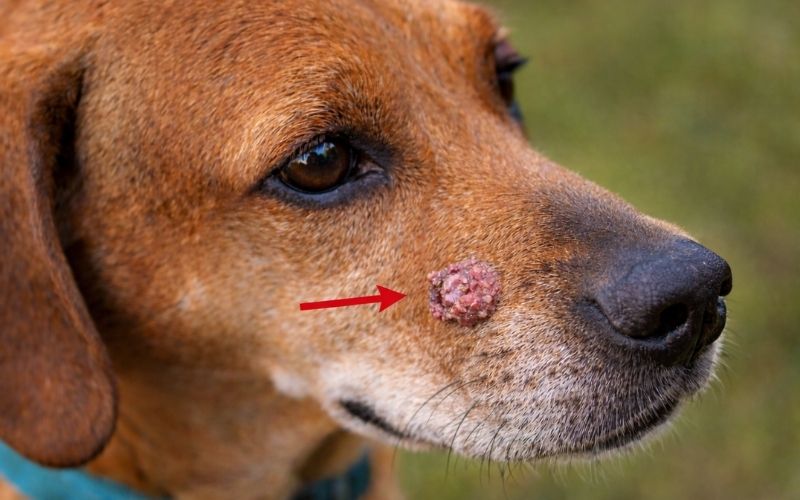
Cancerous warts on dogs can be concerning for pet owners, especially when unfamiliar skin growths appear unexpectedly. While not every wart or bump signals a serious issue, understanding how abnormal growths differ from common skin changes helps owners stay alert and make informed observations without panic or assumptions.
Dogs naturally develop various skin growths over time, including warts, tags and lumps. Some are harmless, while others may require closer attention. Learning to recognize changes in size, texture, color or behavior of a wart is an important step in owner awareness and responsible pet care.
This guide focuses on visual awareness, common warning signs and how owners can monitor changes safely. By understanding appearance patterns and growth behavior, dog owners can better communicate observations and avoid overlooking signs that may deserve professional evaluation.
Early Visual Signs of Cancerous Warts on Dogs
Early visual changes are often the first clue that prompts concern about cancerous warts on dogs. These growths may appear irregular, uneven or different in color compared to surrounding skin. Owners often notice that the surface texture looks rough, crusted or inflamed rather than smooth.
Many people search for early stage pictures of cancerous warts on dogs to compare what they are seeing. While images can provide general awareness, it is more important to focus on changes over time, such as growth speed, shape variation or unusual surface changes that stand out from normal skin features.
Before examining visual characteristics in detail, it helps to understand how concerning warts often differ in appearance from common benign growths. The table below outlines general visual traits that owners frequently observe when comparing ordinary skin growths to those that raise concern.
Visual Characteristics Often Noticed in Concerning Dog Warts
Before reviewing specific features, it is helpful for owners to understand that concerning dog warts often stand out because they differ from normal skin growths in multiple ways. The table below highlights visual characteristics that owners commonly notice when a wart appears unusual or changes over time.
| Feature | What Owners Often Observe |
| Shape | Irregular or uneven edges |
| Texture | Rough, crusted or scabbed |
| Color | Darkened, reddened or mixed tones |
| Surface | Ulcerated or cracked areas |
| Growth Pattern | Rapid or uneven enlargement |
After reviewing visual characteristics, owners should remember that appearance alone does not confirm seriousness. Changes that persist, worsen or combine with bleeding or irritation deserve closer attention. Observing patterns rather than single features helps owners communicate concerns clearly and responsibly without jumping to conclusions.
Common Locations Where Concerning Warts Appear
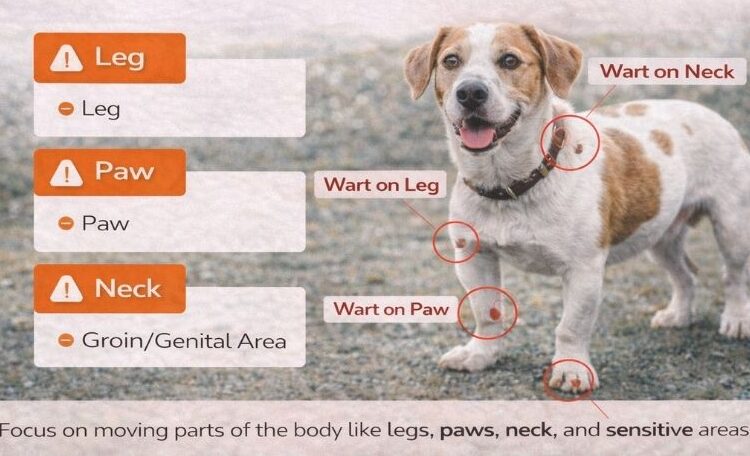
Cancerous warts on dogs can appear on many areas of the body, but certain locations tend to draw attention more quickly. Owners often notice unusual growths on legs, paws, neck or areas with frequent movement. These locations experience friction, making changes more noticeable over time.
Searches for pictures of cancerous warts on dogs legs are common because growths in these areas often look more pronounced. Movement can cause irritation or cracking, making the wart appear rough or inflamed. Observing how a growth reacts during walking or resting helps owners track visible changes.
Skin Tags Versus Cancerous Warts on Dogs
Many owners struggle to distinguish a skin tag cancerous warts on dogs concern from harmless skin tags. Skin tags are usually soft, smooth and slow growing, while concerning warts often appear firmer, irregular or rapidly changing. Texture and consistency are key visual differences.
Monitoring changes over time is essential. A growth that changes color, develops uneven edges or becomes irritated may warrant closer observation. Owners benefit from comparing size progression rather than relying on a single moment, as gradual change often provides more meaningful insight.
Using Pictures for Awareness, Not Diagnosis
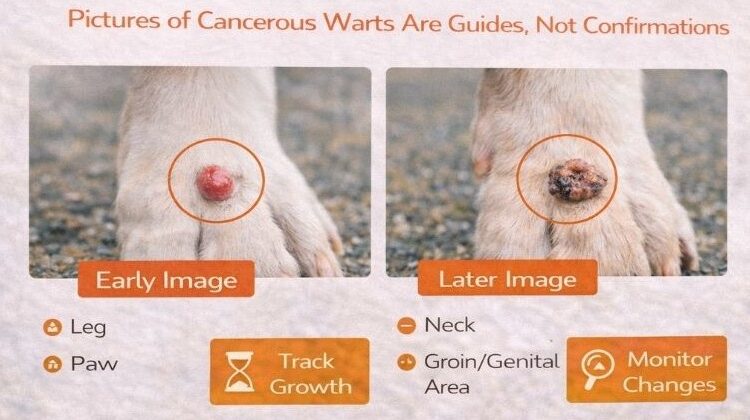
People frequently look for pictures of cancerous warts on dogs to gain clarity. Images can help owners understand general appearance patterns but should never be treated as confirmation. Visual comparison is most useful for noticing differences rather than labeling a growth.
Photographs taken over time can help owners track changes accurately. Comparing early and later images allows clearer observation of growth speed, texture changes or surface irregularities. This method supports responsible awareness and improves communication when discussing concerns.
When to Worry About Dog Warts
Many owners ask when to worry about dog warts, especially when growths change slowly. Concern usually increases when a wart begins to grow rapidly, change color, develop uneven edges or bleed. Observing behavior such as licking or irritation can also signal that closer attention is needed.
Understanding the difference between normal skin changes and concerning signs helps owners stay calm and observant. Some growths remain stable for years, while others evolve noticeably. The table below outlines common differences owners often notice when comparing ordinary warts to those that raise concern.
Normal Skin Changes vs Concerning Wart Signs
| Observation Area | Normal Changes | Signs That Raise Concern |
| Growth Speed | Very slow or unchanged | Rapid or uneven growth |
| Shape | Smooth and round | Irregular or jagged edges |
| Color | Matches skin tone | Dark, red or mixed colors |
| Surface | Soft and intact | Crusted, cracked or bleeding |
| Dog Reaction | No irritation | Licking, scratching, sensitivity |
After reviewing these differences, owners should focus on patterns rather than isolated traits. A single feature may not be alarming, but multiple changes occurring together over time deserve closer observation. Tracking consistency and progression helps owners communicate concerns clearly and responsibly.
Owner Awareness and Monitoring Habits
Owner awareness plays a crucial role in noticing changes related to cancerous warts on dogs. Regularly checking your dog’s skin during grooming or quiet moments helps establish what is normal. Familiarity makes it easier to notice subtle differences in size, texture or color over time.
Keeping a simple observation routine can be helpful. Taking notes or photos at intervals allows owners to track progression objectively. This habit supports responsible awareness and ensures that changes are described clearly if concerns need to be discussed further, without relying on memory alone.
Long Term Observation and Responsible Attention

Long term observation focuses on consistency rather than alarm. Many growths remain unchanged for extended periods, while others evolve slowly. Monitoring trends such as repeated irritation, surface breakdown or noticeable expansion provides more useful insight than reacting to a single change.
Responsible attention means staying informed without panic. Understanding visual patterns, common locations and progression timelines helps owners remain calm and observant. This balanced approach supports better decision making and avoids unnecessary worry while still prioritizing a dog’s overall comfort and well being.
Conclusion
Cancerous warts on dogs can be unsettling, but informed observation helps owners respond thoughtfully rather than react emotionally. Learning how concerning growths may appear, where they commonly develop and how they change over time builds confidence and awareness in everyday care routines.
By focusing on visual patterns, tracking changes and understanding warning signs, owners become better equipped to notice when something feels unusual. Awareness, consistency and calm observation are key elements in responsible dog ownership and long term skin health attention.
Frequently Asked Questions (FAQs)
How can you tell if a dog wart is cancerous?
A wart may raise concern if it changes rapidly in size, shape, color or texture. Irregular edges, crusting, bleeding or repeated irritation can be warning signs. Observing progression over time is more helpful than judging a single moment or image.
What do cancer growths look like on a dog?
Cancer growths on dogs often appear uneven, firm or irregular compared to surrounding skin. They may look darker, inflamed or rough on the surface. Changes that persist or worsen over time are more concerning than stable, unchanged growths.
What do cancerous warts look like?
Cancerous warts may appear crusted, cracked, irregularly shaped or darker than normal skin. Some show uneven surfaces or rapid growth. These features stand out when compared with smooth, soft, slow growing benign warts commonly seen on dogs.
When should you worry about dog warts?
Worry may increase if a dog wart grows quickly, bleeds, becomes painful or changes color or texture. Multiple changes occurring together are more concerning than a single trait. Tracking progression over time helps determine whether closer attention is needed.
Are pictures helpful for identifying cancerous warts on dogs?
Pictures can help owners recognize general patterns, but they should be used only for awareness, not confirmation. Comparing photos taken over time is more useful than matching online images, as it highlights changes specific to your dog’s skin.
Do cancerous warts commonly appear on dogs’ legs?
Yes, cancerous warts on dogs’ legs are commonly noticed because movement can cause irritation. Growths in high motion areas may appear more inflamed or cracked, making changes easier to observe compared to warts in less active areas.

